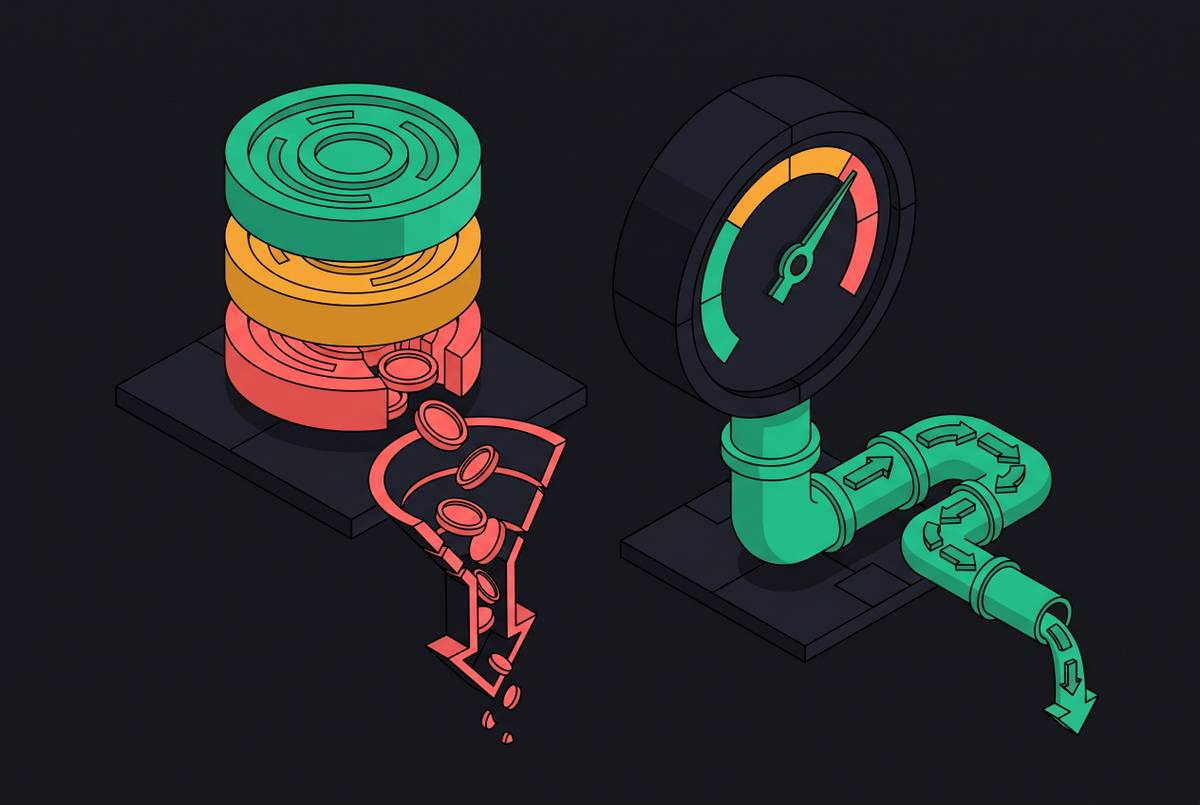
Revenue Churn vs Usage Churn Distinctions in Metered Products
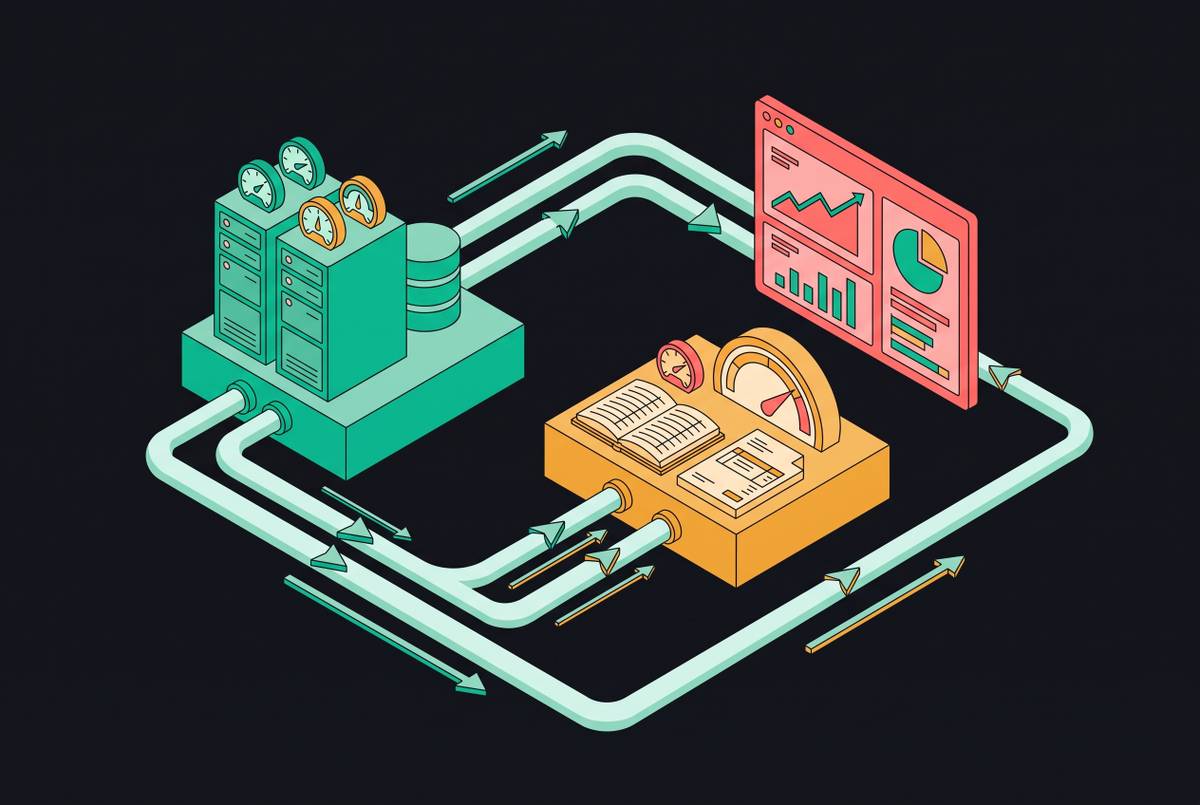
Metered products need separate metrics to catch customer decline before revenue follows.
James Calloway
Staff Reporter
James Calloway began his career auditing prepaid card programs at a regional accounting firm and later reported on credit and wallet infrastructure for a payments industry newsletter. At Usage Billing Review he covers the operational and compliance dimensions of prepaid models and recurring revenue recognition.
12 stories
Metered products need separate metrics to catch customer decline before revenue follows.
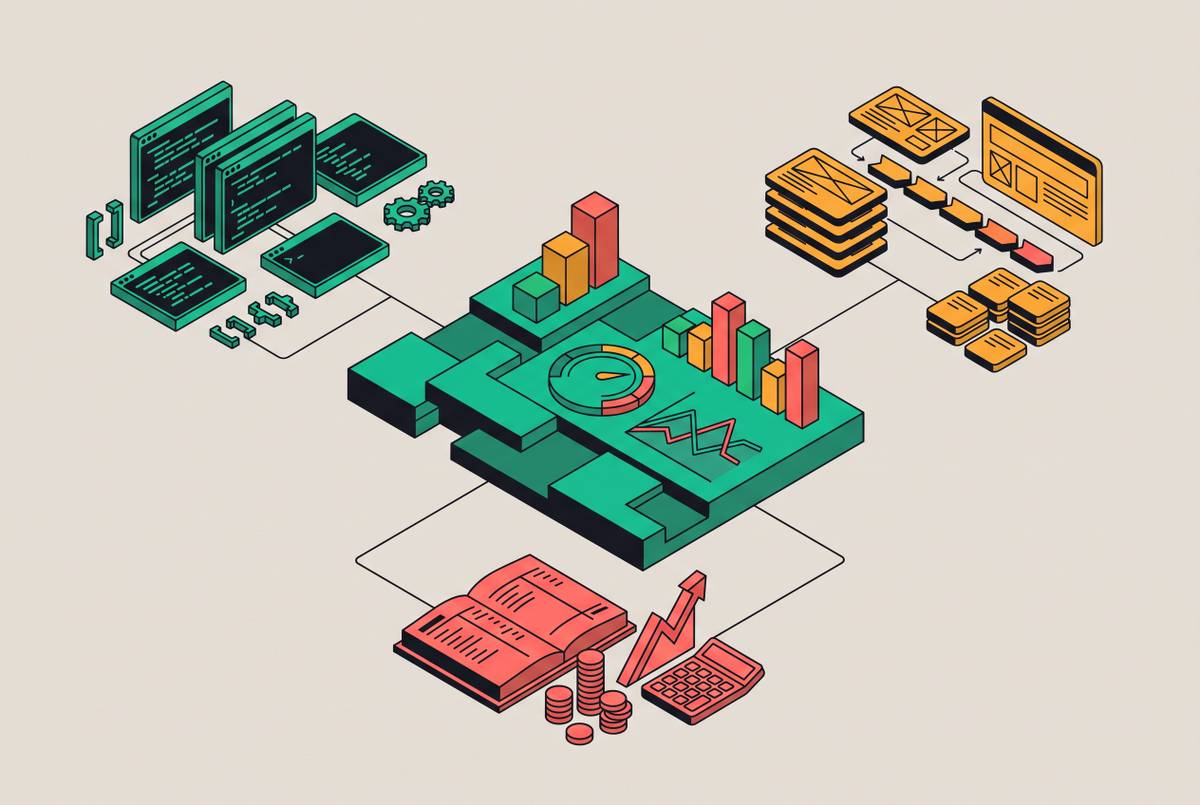
Three teams need the same billing data, but they're reading it differently every month.
Different teams need different views of billing data to move fast without constant handoffs.
Most AI platforms conflate payment processing with actual multi-currency wallet infrastructure.
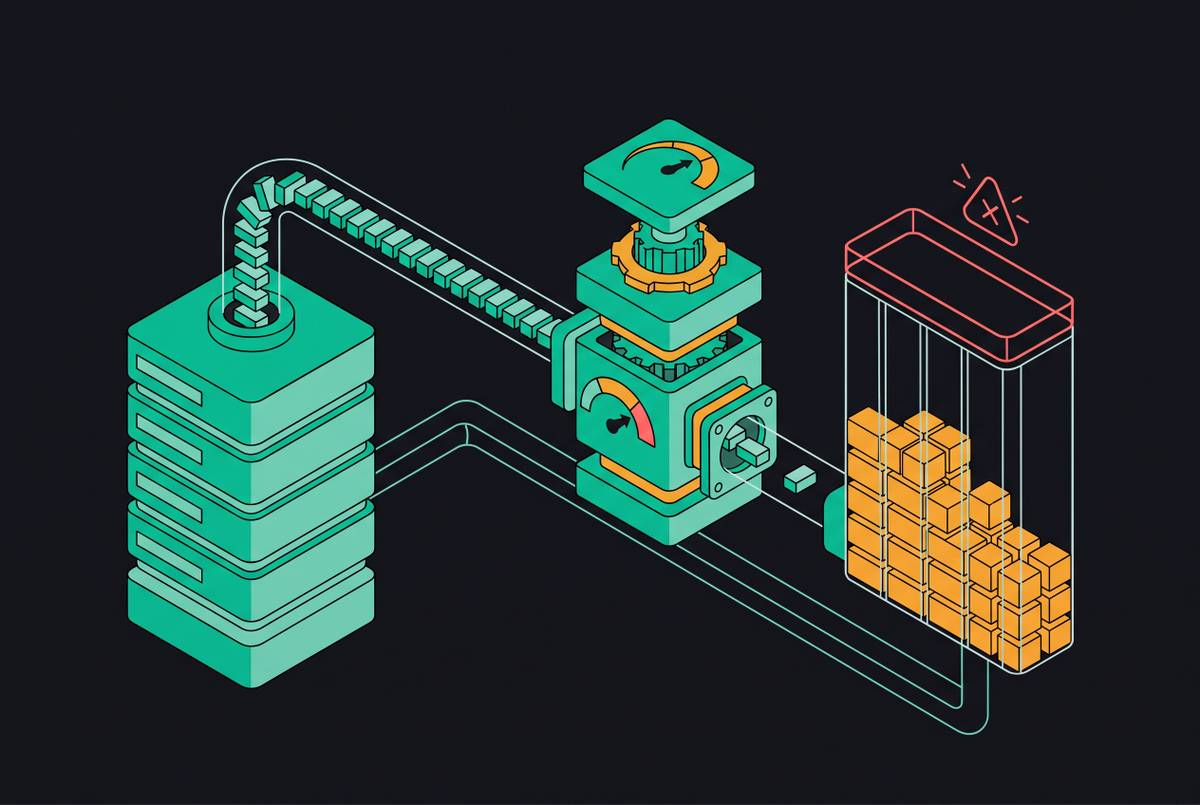
Real-time enforcement blocks AI credit overdraft before requests consume resources.
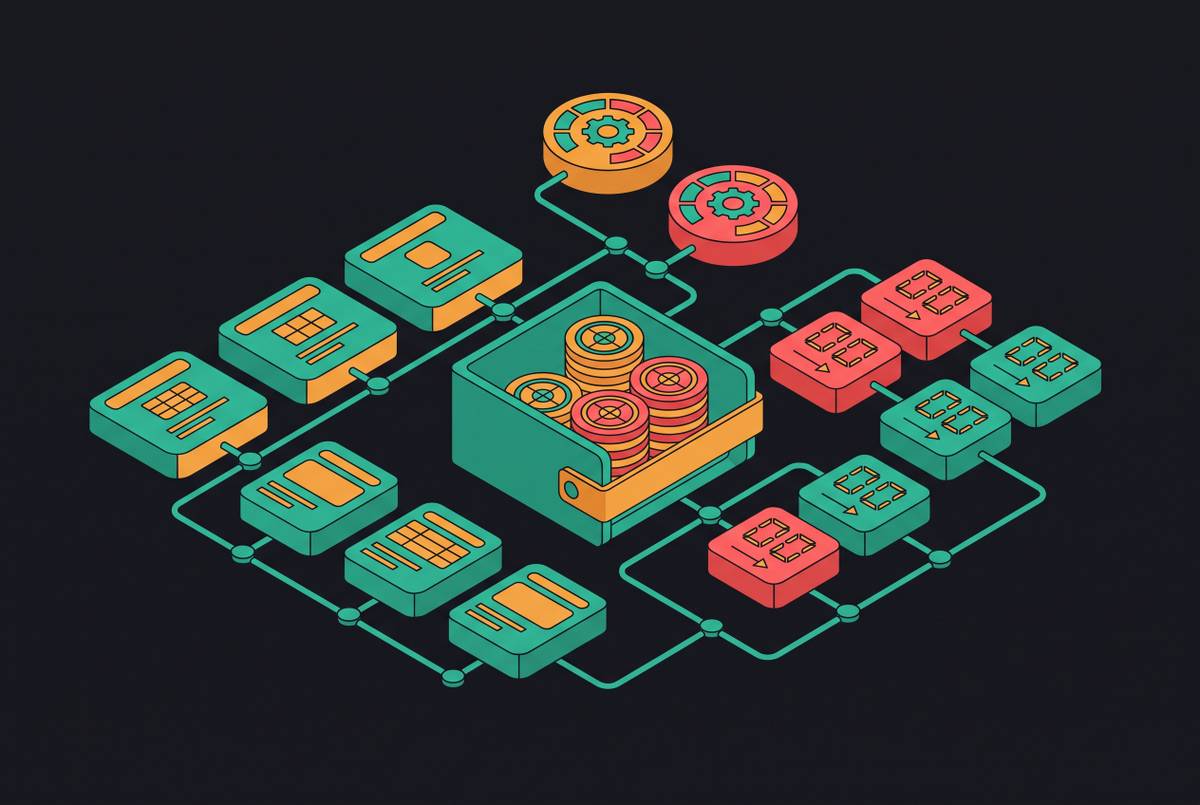
Building credit wallets as ledgers, not balance columns, prevents billing system collapse at scale.
Align your credit costs to the actual compute drivers instead of guessing at an average.
Flat subscriptions work; everything else demands real-time consumption tracking to comply.
Choosing metering granularity wrong destroys margins, breaks pricing, and kills customer trust.
Usage-based SaaS demands metering infrastructure that subscription accounting never required.
How AI consumption pricing is reshaping enterprise software contracts.
Recognize revenue when credits are actually used, not when customers prepay.