Sovereign Cloud Deployment Constraints in Enterprise Billing Platform Selection
Deployment constraints now screen billing vendors before features do under sovereignty mandates.
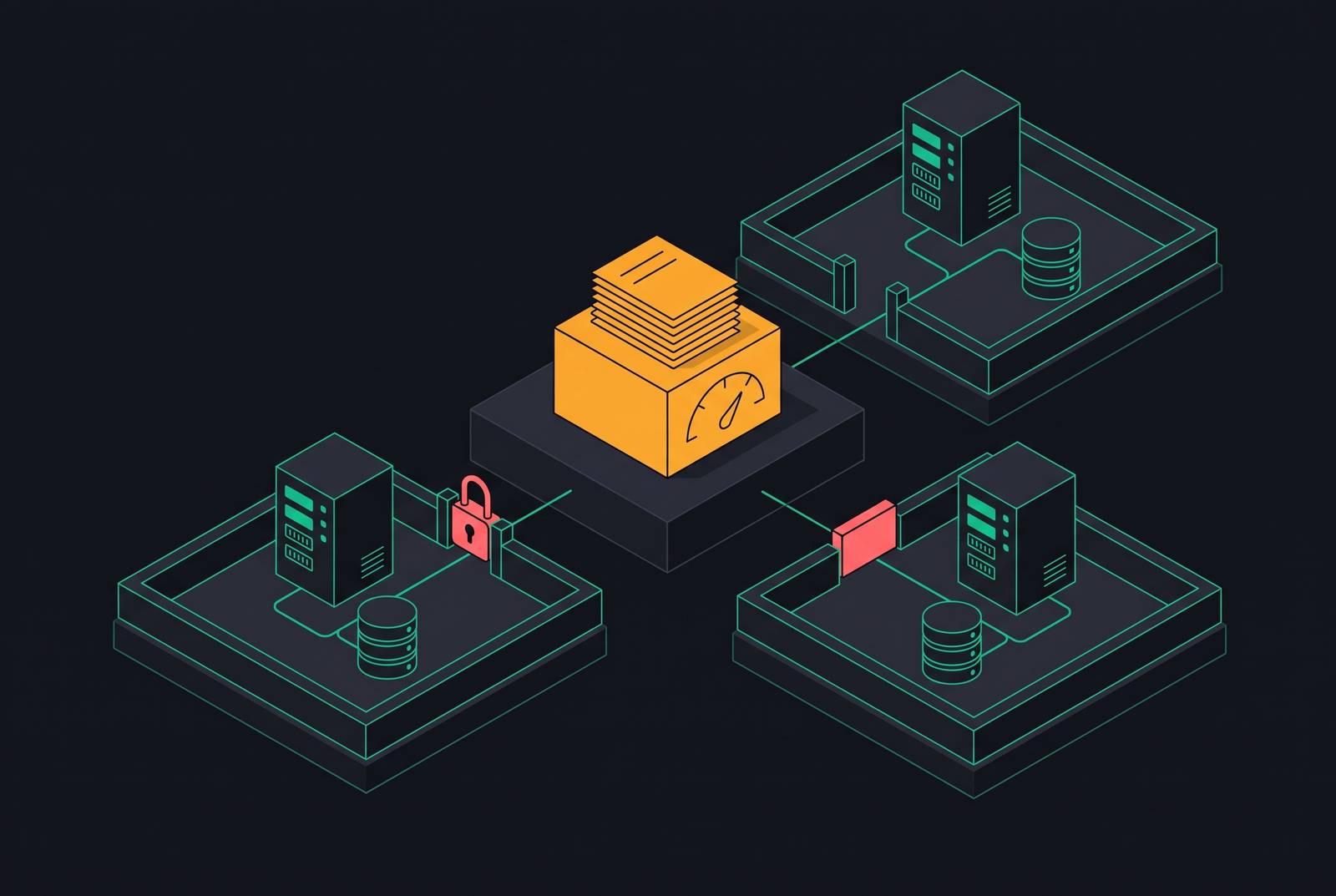
When an enterprise chooses a billing platform under sovereignty mandates, it must look at deployment before features. To qualify at all, the platform must satisfy requirements for where it runs, who can access its telemetry, and whether its full operation stays within the required jurisdiction. A capable billing engine is not an eligible one unless its legal, operational, and technical boundaries satisfy the enterprise’s obligations.
Why deployment model has become the first filter in billing platform evaluation
A legal or procurement team reviewing a billing vendor can reach a disqualification point before examining its pricing engine. The vendor may offer EU-region storage but be unable to say which jurisdiction governs support access or where administrative telemetry goes. The feature discussion stops at that point.
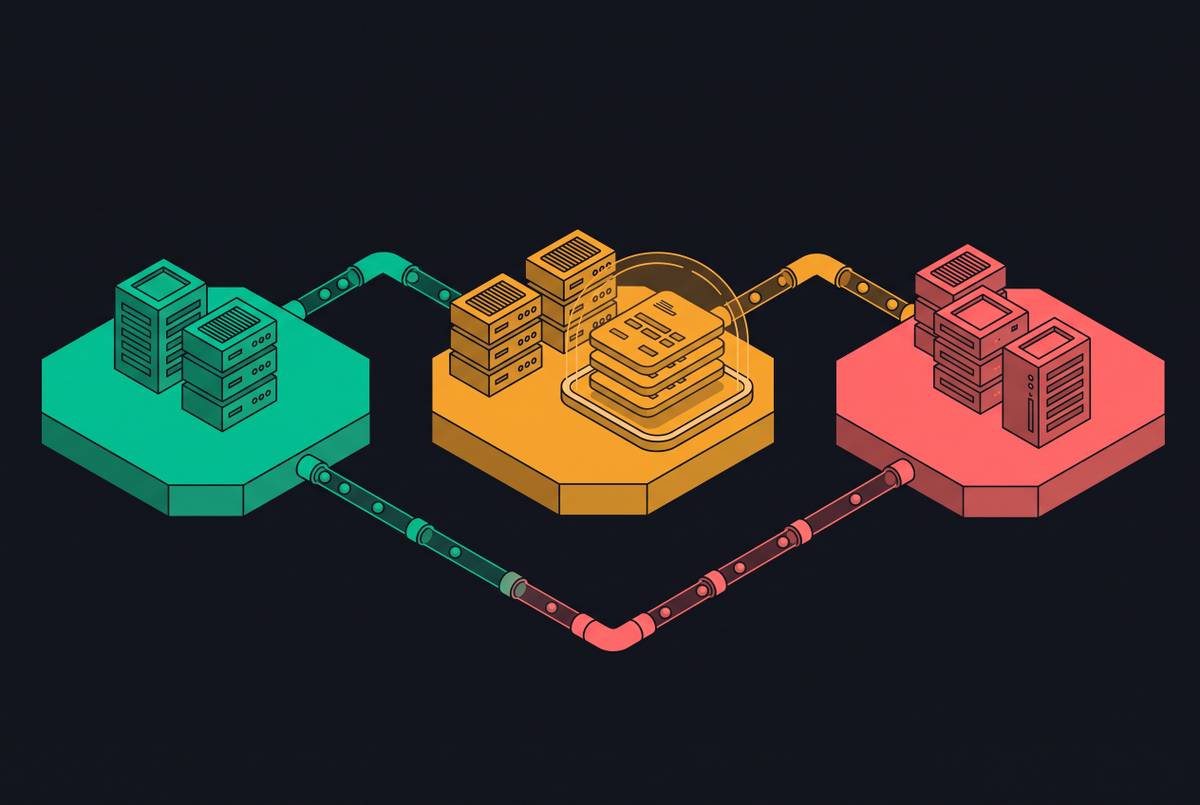
Billing infrastructure is also a telemetry system. Usage events, invoice logs, administrative API calls, and session metadata bring it within the scope of data and operational requirements under frameworks such as GDPR and DORA. Most billing platforms are US-incorporated, US-hosted managed services, creating a jurisdictional constraint. Because of US laws such as the CLOUD Act, EU hosting alone cannot fully guarantee EU data sovereignty. Billing services built on hyperscaler infrastructure share that exposure, because a region label does not establish the parent-entity jurisdiction or who has administrative access.
What sovereignty actually requires — and why residency alone does not satisfy it
Residency establishes where data is stored, but sovereignty also establishes who controls it and under which law. Procurement teams therefore need answers across five dimensions, namely verified data residency, jurisdiction-aware operator access, customer-controlled encryption and key custody, portable workloads and switching readiness, and audit-ready logging and evidence. These controls must hold together in practice. A platform that meets the storage requirement but fails the access requirement has not satisfied sovereignty.
Billing telemetry exposes the difference particularly clearly. A platform may store invoice PDFs in an EU region while routing metering streams, error logs, or support-access sessions through infrastructure outside that boundary. Contracts, architecture, and operations must show that controls over those paths can be enforced as well as state where primary storage is. Evidence must extend beyond the region label. Otherwise, a residency claim can conceal an operational dependency that defeats the intended boundary.
The European Commission’s Cloud Sovereignty Framework assesses providers across eight objectives on a five-level SEAL scale. The Commission set SEAL-2 as the minimum eligibility threshold in its own procurement, and three of the four winning consortia reached SEAL-3. Regulated enterprise buyers are beginning to apply analogous scoring to billing vendors.
The specific regulatory frameworks that now reach billing vendors directly
DORA has applied to the financial sector since January 17, 2025. Under Article 30, contracts must pass resilience requirements on to ICT providers, and providers that support critical or important functions must meet audit and exit-rights requirements. A billing vendor serving a bank therefore faces contractual requirements regardless of where it is incorporated. Incorporation abroad does not remove the contractual obligation. The buyer must distinguish the requirements applying to all ICT relationships from those triggered by the function the provider supports.
Germany’s BSI has required C5 certification for healthcare organizations and parts of public administration starting July 2025. The C5:2026 update adds rules for container management, software supply chain risk, and post-quantum cryptography readiness. Residency alone is not enough to meet those supply-chain checks. NIS2 also creates compliance mechanisms reaching suppliers, while DORA and NIS2 add contractual audit requirements relevant to vendor qualification.
The European Commission’s Data Act entered into force in January 2024 and applies from 12 September 2025, imposing fair cloud contracts and switching requirements that extend to software supply chains. Exit readiness is therefore part of the deployment decision. A billing platform puts its customer at risk of breaking compliance rules if it cannot support audits within the boundary, produce immutable logs, or show that it has contractual exit readiness.
Where infrastructure-first sovereign platforms stop and the billing problem begins
Infrastructure-first sovereign platforms provide governance at the cluster and workload level, but that control does not automatically extend to monetization. OpenStack does not natively expose self-service SKUs, token-metered AI APIs, or usage-based billing for sovereign AI service delivery. OpenShift AI 3.4 provides self-service API key provisioning and token-metered quota management, while full chargeback and invoicing still require additional tooling. Quota management is not a complete billing system. Operators still need both internal cost allocation and external tenant billing to support the economics of their deployment.
AWS launched its European Sovereign Cloud in January 2026 with far fewer services than its standard regions because it deliberately prioritized core compute, storage, networking, and security services, with additional services rolling out on a continuing basis. Buyers must still add the billing capabilities that are missing. Operators typically spend quarters of engineering time building multi-tenant AI services with self-service portals, usage metering, and billing integration on top of sovereign infrastructure. The trade-off is therefore not simply sovereignty against vendor convenience, but infrastructure control against the work needed to turn consumption into revenue.
Why real-time metering architecture is uniquely constrained inside sovereign boundaries
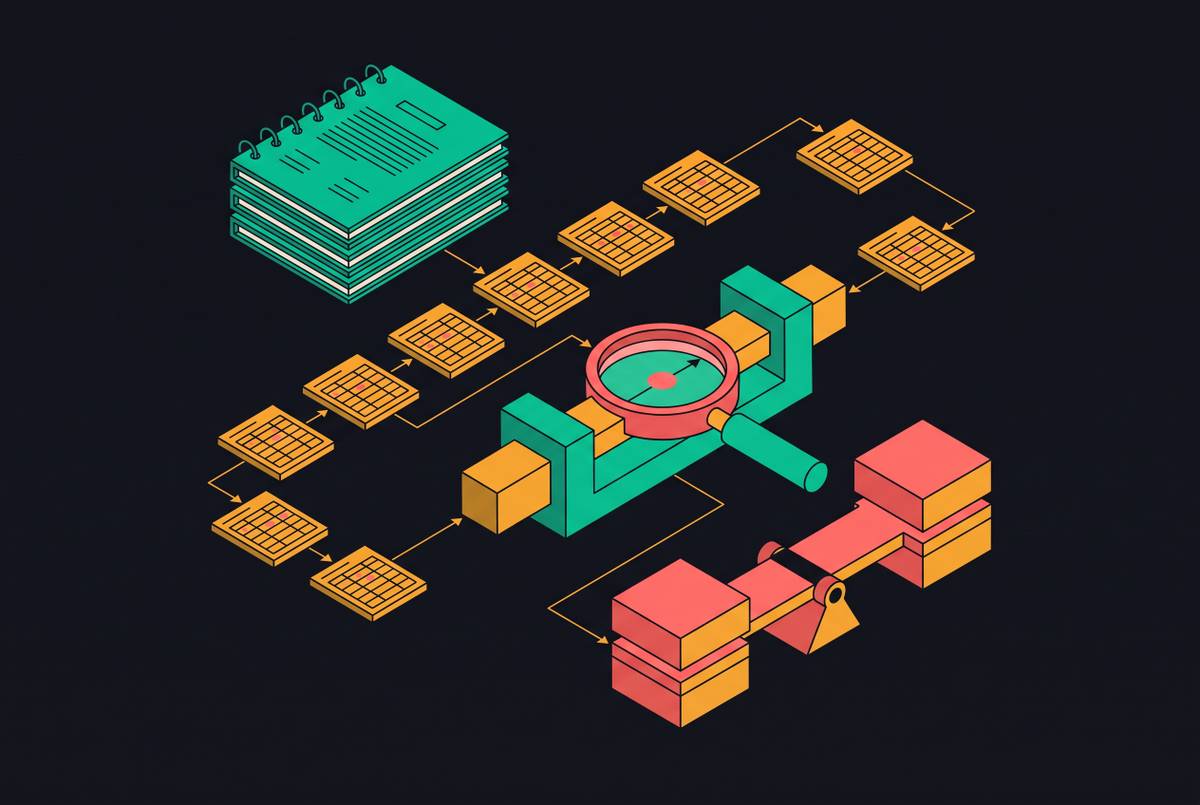
In sovereign and air-gapped environments, the full billing event pipeline must run inside the jurisdictional boundary. That includes ingestion, aggregation, deduplication, rate-limit enforcement, and invoice reconciliation. Local invoice generation is not sufficient by itself. If usage data leaves the perimeter for processing, the billing architecture has already broken the sovereignty commitment, even if the invoice it produces is then stored locally.
Every billable action must become a timestamped event processed at millisecond speed. At scale, this requires a dedicated event bus with guaranteed delivery. The system must be reliable to protect revenue and the audit trail, because a dropped event can harm both. Idempotency makes retries safe by counting duplicate events once. Low latency supports near-real-time usage visibility, requiring the metering plane to be co-located with the workload inside the perimeter.
The control plane has the same geographic constraint. Operational metrics, API calls, and log files must remain local rather than being sent to a vendor-operated service for processing. AI inference intensifies the throughput requirement because token consumption, GPU-minute allocation, and per-call API charges must all be captured at speed. Batch files and nightly synchronization cannot provide that real-time metering. A contract that promises local data storage cannot make up for an event architecture that sends data elsewhere for processing.
How usage-based and AI pricing models compound the sovereignty evaluation problem
AI products are accelerating usage-based and hybrid pricing just as sovereign deployment requirements tighten. Per-seat pricing can shrink revenue when AI delivers more value with fewer seats, while hybrid pricing combines a recurring base fee with charges tied to consumption. That shift changes what billing must measure. Tokens, GPU-minutes, API calls, and hardware tiers create pricing dimensions that seat-billing infrastructure was not built to meter.
Credit-based pricing adds budget predictability through an allowance that customers spend down before incurring overages. Supporting it requires a prepaid wallet engine and postpaid invoice generation on the same system, within the sovereign boundary. Limits must operate at the point of consumption. When Cursor generated an invoice running into thousands of dollars for a single developer in July 2025, uncapped usage-based billing followed its June 2025 switch from flat-rate requests to a credit-pool model. The failure concerned consumption enforcement.
The billing system must price several dimensions, update credit balances, and enforce real-time limits without sending usage elsewhere. A pricing feature that depends on external metering is therefore not an independent capability. Its eligibility depends on the deployment of the system that supplies it.
The build-vs-buy decision when sovereignty requirements restrict vendor options
For buyers whose usage data cannot legally sit in a vendor’s cloud, the practical comparison is build versus buy-and-self-host. Any product they buy must run inside the sovereign boundary without having to rebuild its architecture. A vendor’s deployment model has to qualify before its pricing flexibility or implementation convenience can enter the calculation.
Teams considering an internal build must account for both initial delivery and permanent maintenance. Simplismart spent one and a half to two months building a billing engine, then devoted a fifth to a third of a developer’s daily bandwidth to maintaining it. It later moved to a purchased platform, recovered engineering capacity, and achieved substantially faster pricing iteration. That example illustrates maintenance cost. Under sovereignty constraints, the internal team also owns the stack’s jurisdictional compliance as regulations evolve.
Open-source infrastructure does not remove that ongoing ownership. An engineering team must still upgrade, debug, and maintain it indefinitely. Buyers should therefore ask vendors that offer self-hosting or sovereign-cloud support to show a working reference deployment. A supported product configuration is categorically different from an “on-premises” professional-services engagement that rebuilds the architecture for each customer.
Revenue recognition and finance automation under sovereign deployment constraints
The deployment boundary also reaches revenue recognition. Usage-based billing creates variable consideration generally recognized under ASC 606 and IFRS 15 when the customer consumes the service. The right-to-invoice practical expedient may permit recognition at the invoiced amount when that amount corresponds to value delivered. For prepaid credits, the system must track deferred revenue and release it accurately as credits are consumed, with that logic operating inside the sovereign boundary.
Minimum commits, prepaid credits, and tiered pricing require different recognition patterns. Treating them identically creates manual accounting work, particularly when an air-gapped system cannot offload reconciliation to a cloud-based finance integration. A mid-year upgrade must be treated as a contract modification under ASC 606, requiring SSP allocation and either prospective or cumulative catch-up adjustments depending on whether remaining performance obligations are distinct from those already transferred.
A platform that cannot model these modifications pushes work into spreadsheets. In a sovereign deployment, finance teams also break the commitment if they send billing data through external reconciliation tools. Native, reconciled revenue reporting is therefore a deployment requirement as well as a finance capability.
A working evaluation framework for billing platforms under sovereignty constraints
Procurement, engineering, and legal teams should apply three gates in order, covering jurisdiction, deployment architecture, and billing capability. The first gate establishes which legal entity operates the platform and whether foreign lawful-access laws could compel disclosure. It must distinguish invoice storage from telemetry transit. A procurement document should require a data flow map covering usage events, metering streams, API and error logs, and support-access sessions, rather than accepting a statement about primary storage alone.
The second gate should require evidence of a working, supported on-premises or sovereign-cloud configuration. The vendor should demonstrate whether the control plane remains local and whether event ingestion works in an air-gapped environment without exporting metering data. Upgrade and patching arrangements need equivalent scrutiny. The response should state whether maintaining the deployed instance requires connectivity to vendor infrastructure, and whether the proposed deployment is a product configuration or a reconstruction engagement.
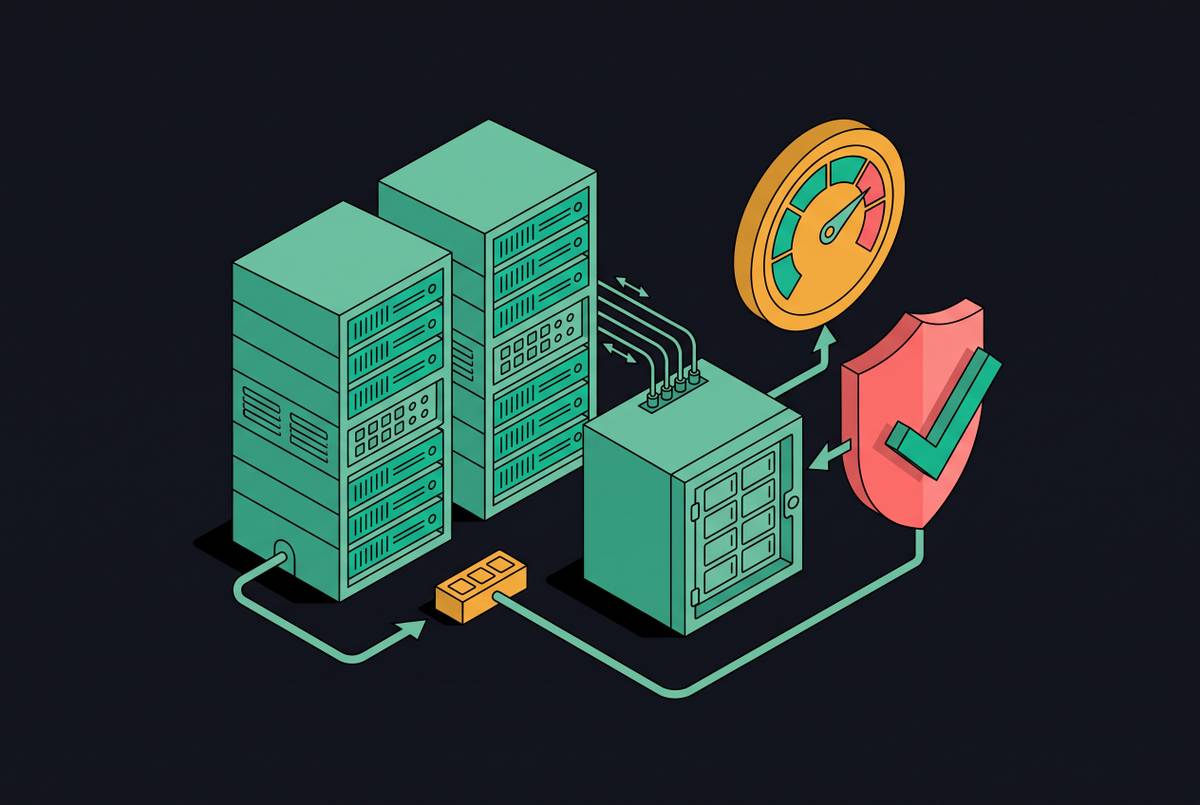
The third gate tests what the billing system can do within that architecture. Buyers should require simultaneous support for usage-based, hybrid, and credit-based pricing, millisecond-level event ingestion, and native idempotency without a separate external metering dependency. Prepaid wallets and postpaid invoicing must operate together. The platform should also show that it can track deferred revenue well enough to meet ASC 606 or IFRS 15 without manual reconciliation, produce immutable logs within the boundary when asked, and show that its exit readiness is current and tested.
These gates are designed to identify eligible platforms. The target is purpose-built usage billing infrastructure that runs wherever the customer’s infrastructure runs, combines pricing dimensions, and supports prepaid and postpaid mechanics without exporting the work. That architecture allows procurement to assess billing capability only after legal control and operational independence have been demonstrated.