Vendor Evaluation Criteria for Real-Time Metering Infrastructure
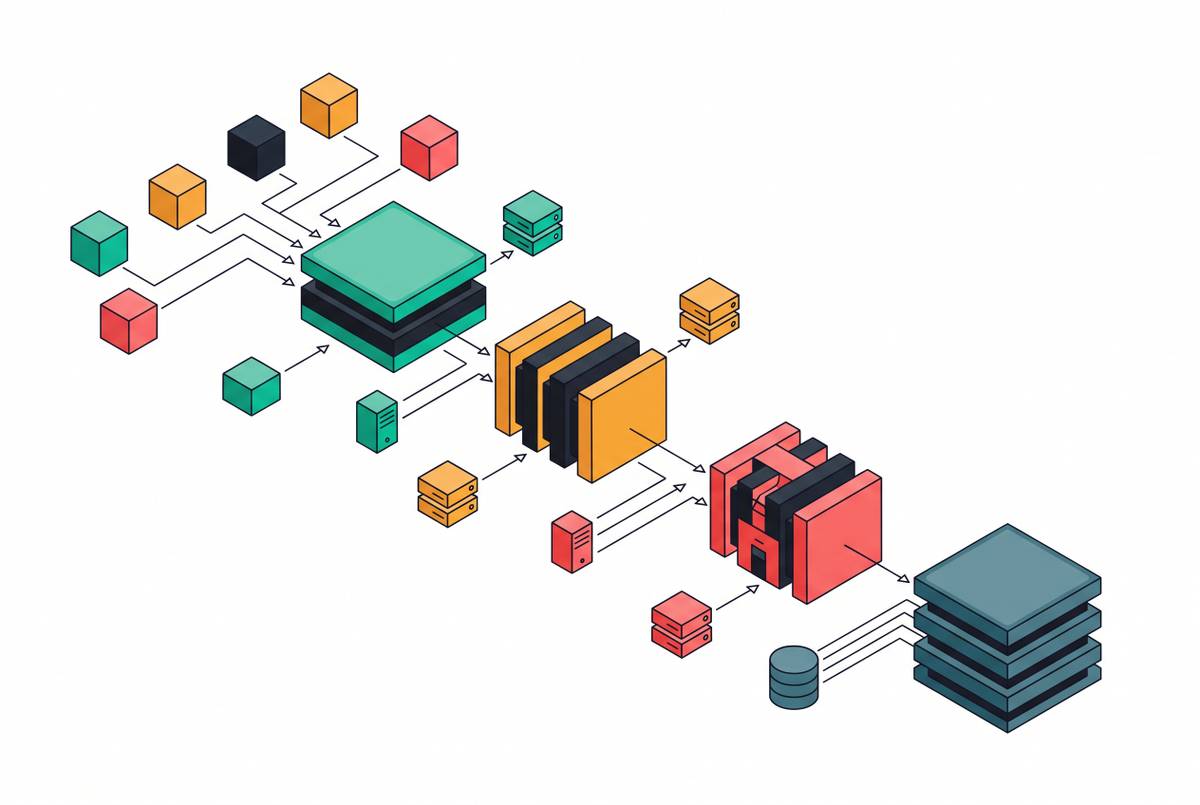
Hybrid pricing requires metering infrastructure purpose-built to track consumption in real time.
Priya Subramaniam
Senior Contributing Editor
Priya Subramaniam spent a decade as a revenue operations analyst at enterprise SaaS companies before moving to full-time coverage of billing infrastructure and financial close processes. She focuses on the intersection of engineering and accounting, with particular attention to where metering pipelines meet the general ledger.
16 stories
Hybrid pricing requires metering infrastructure purpose-built to track consumption in real time.
Metered billing pipelines need architecture that catches overspending before invoices ship.
Usage-based pricing splits ACV and ARR into separate metrics with different forecasting rules.
Hybrid pricing layers usage or outcomes onto subscriptions to survive AI cost volatility.
Precise token and task metering replaces request counting for AI billing.
Audit trails prevent billing disputes from turning into costly forensic investigations.
Usage-based billing loses 1% to 5% annually when metering and billing systems fall out of sync.
Usage-based SaaS forces five hidden judgment calls into ASC 606's five-step revenue framework.
How five interconnected systems drive revenue accuracy in subscription and usage-based SaaS.
OpenTelemetry captures billing signals but lacks reconciliation and accuracy safeguards.
Duplicate events and late-arriving data require structural safeguards to prevent billing errors.
Architectural isolation prevents metering errors that no downstream reconciliation can fix.
Real-time credit checks stop runaway AI usage before it happens, not after the bill arrives.
Choose aggregation timing now, or lose critical capabilities later.
Client-generated idempotency keys and immutable aggregation windows prevent silent billing errors.
Build your pipeline to handle billing-scale traffic before it breaks in production.