Revenue Recognition When Your SaaS Has Subscriptions, Usage, and Prepaid Credits
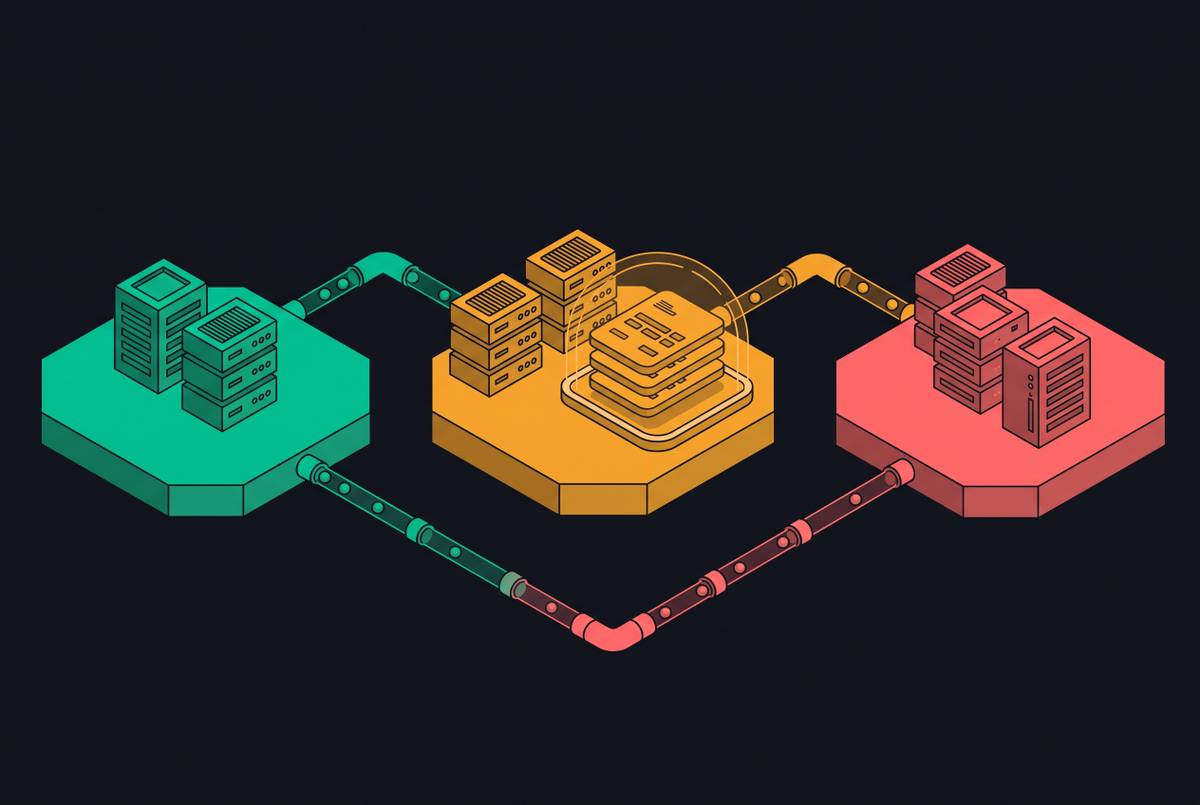
Hybrid contracts force three separate revenue clocks onto one billing relationship.
Marcus Oyelaran
Staff Writer
Marcus Oyelaran covered fintech and payments at a B2B trade outlet for six years before joining Usage Billing Review to focus on monetization architecture and contract complexity. His reporting frequently examines how large enterprises negotiate billing exceptions that quietly erode margin.
14 stories
Hybrid contracts force three separate revenue clocks onto one billing relationship.
Avoid overcharges and revenue recognition errors by mastering five core proration scenarios.
Billing platforms must now prove data stays within borders, not just pick a cloud region.
Most billing platforms weren't built to handle separate legal entities properly.
On-premises billing systems must prove security controls worked consistently, not just on paper.
Metering pipeline failures cause billing errors before reconciliation tools even open the invoice.
How you let credits expire determines whether customers feel trusted or cheated.
Isolate pricing versions from live subscriptions to prevent silent re-rating and billing disputes.
Companies shedding engineering bottlenecks can test pricing changes in days instead of weeks.
Real-time rating lets you enforce credits instantly, not hours later when revenue is already gone.
Credit-based systems are winning, but platforms must support migration to outcome-based pricing.
Events get lost silently in usage-based billing pipelines, erasing revenue without a trace.
How to track revenue earned but not yet billed in consumption-based contracts.
Inference costs vary by model, time, and token count—not a flat rate.